




Original price was: $850.00.$800.00Current price is: $800.00.
pink cherry gelato
1. Genetic Background and Plant Structure
Pink Cherry Gelato is typically described as a hybrid cannabis cultivar that blends traits from dessert-flavored genetic lines. Breeders often combine Gelato phenotypes with cultivars featuring sweet cherry or berry-forward terpene expressions.
In horticultural contexts, plants from this lineage often show:
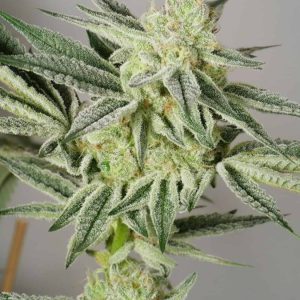
- Medium height, generally 80–150 cm indoors
- Dense branching, with moderate internodal spacing
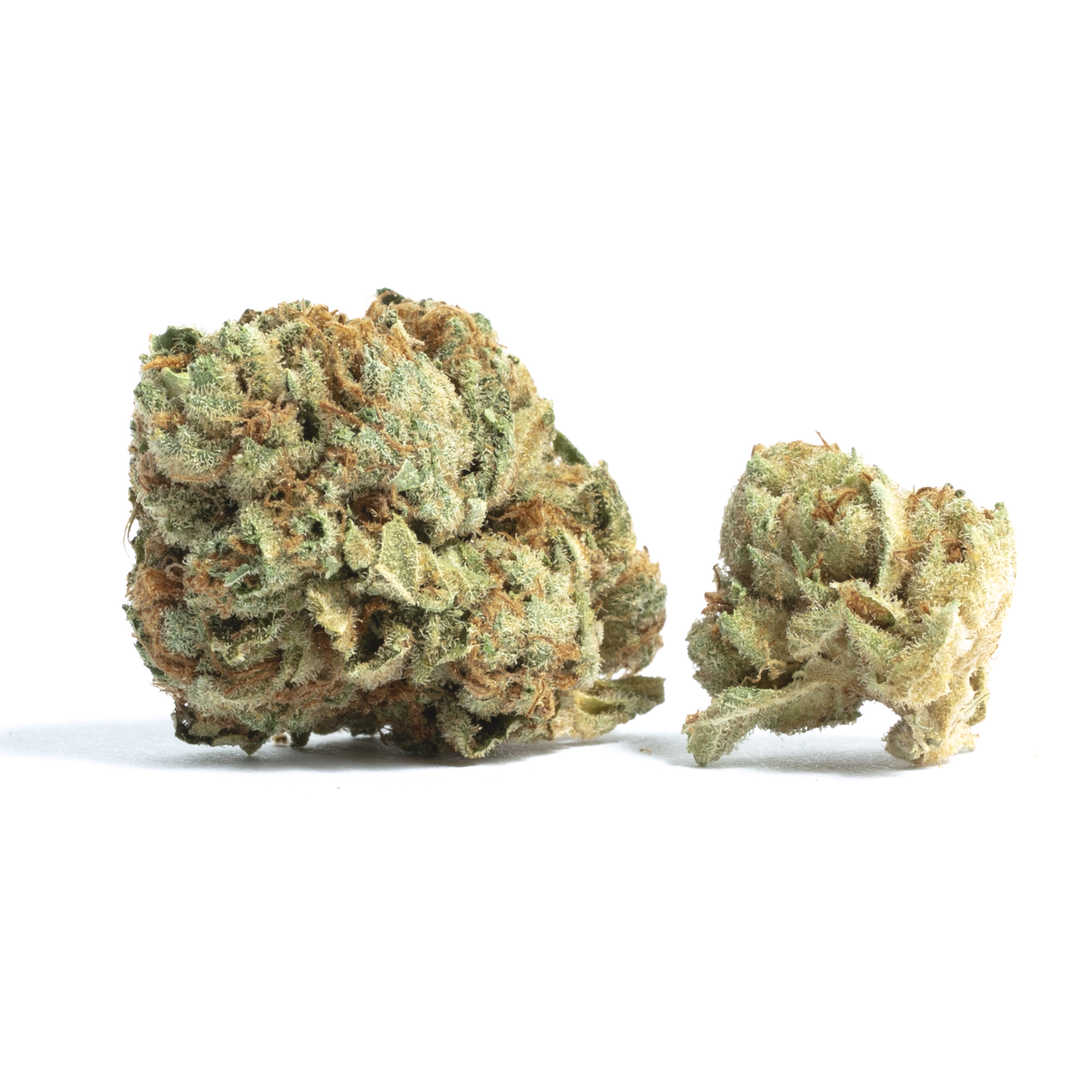
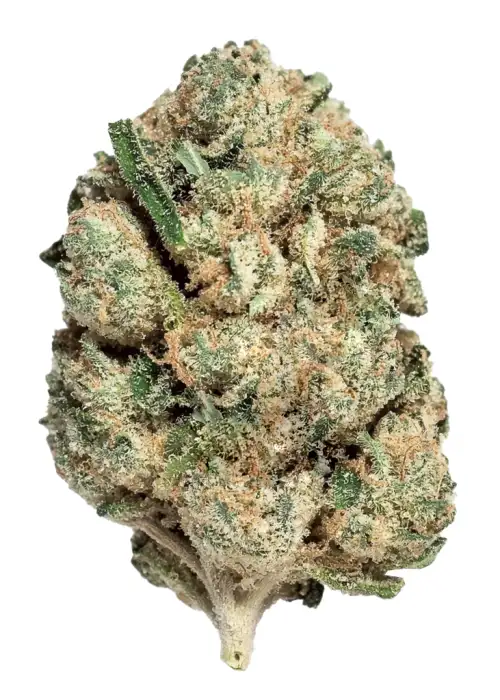
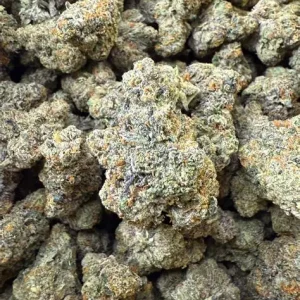
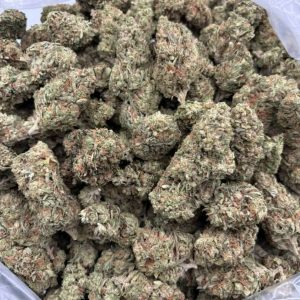
- Thick, resinous floral structures
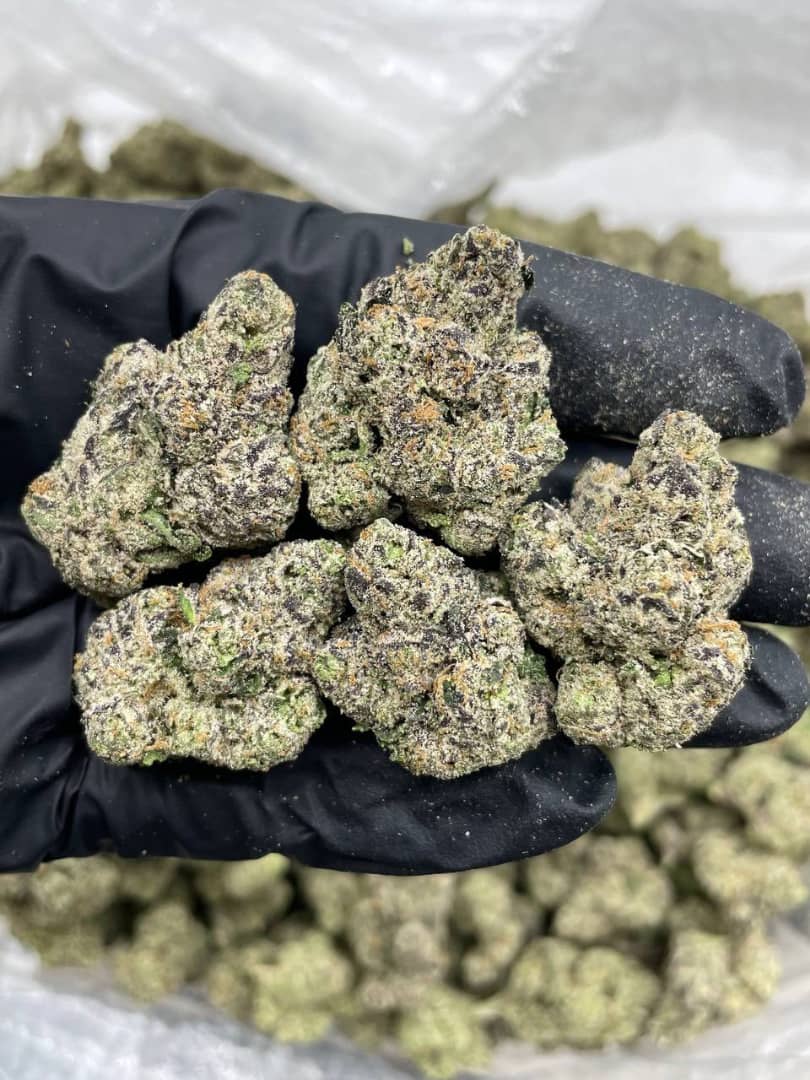
- Anthocyanin expression, enabling pink or purple hues when exposed to cooler temperatures
The plant’s morphology leans slightly toward indica-dominance, especially in leaf shape and canopy density, although growth rates and stretch patterns can vary depending on the specific genetic cut a grower receives.
2. Ideal Growing Environment
2.1 Temperature Range
To maintain stability and prevent stress, cultivators usually target:
- Vegetative stage: 22–26°C
- Flowering stage: 20–25°C
- Late flowering (optional for color expression): 18–22°C
Slightly lower nighttime temperatures near the end of the cycle can encourage the plant’s natural pink or purple pigmentation due to anthocyanins.
2.2 Humidity Levels
- Seedling/clone stage: 65–75% RH
- Vegetative stage: 55–65% RH
- Early flowering: 45–55% RH
- Late flowering: 35–45% RH
Because Pink Cherry Gelato tends to develop thick resinous flowers, controlled humidity is important to avoid mold or bud-rot in dense canopies.
3. Lighting Requirements
3.1 Vegetative Light Cycle
Most growers use:
- 18/6 light cycle, though 20/4 is also common
LED lighting between 300–500 PPFD encourages vigorous vegetative growth without stressing young plants.
3.2 Flowering Light Cycle
The flowering stage typically requires:
- 12/12 light cycle
- 700–1050 PPFD, depending on plant vigor and CO₂ supplementation
Maintaining uniform light distribution helps reduce airy flower development, especially in hybrid cultivars with heavy top-bud formation like Pink Cherry Gelato.
4. Medium and Nutrient Preferences
4.1 Soil / Living Soil
Pink Cherry Gelato usually responds well to:
- High-quality aerated soil
- Balanced microbial activity
- Organic nutrient sources (compost teas, worm castings, etc.)
This method tends to enhance the plant’s aroma complexity, especially its sweet or fruity terpene profile.
4.2 Coco Coir / Hydroponics
Growers seeking rapid growth often prefer coco or hydroponic systems. These require:
- Frequent feedings
- Precise nutrient control
- Stable pH ranges (5.6–6.2)
Coco allows faster nutrient uptake, which can increase yield potential but requires consistent monitoring.
4.3 Nutrient Strength
Typical EC ranges used by cultivators:
- Vegetative EC: 1.2–1.6
- Flowering EC: 1.7–2.1
Nitrogen should be reduced in late flowering to avoid leafy or grassy aromas that can overshadow the cultivar’s natural sweetness.
5. Training Techniques
Pink Cherry Gelato plants usually respond well to a variety of training methods:
5.1 Topping
Topping during week 3–5 of vegetation helps:
- Create multiple colas
- Improve airflow
- Balance canopy height
5.2 LST (Low Stress Training)
LST is useful for:
- Stretch control
- Maximizing light penetration
- Reducing risk of breakage in late flower
5.3 SCROG (Screen of Green)
SCROG is often ideal for this cultivar because its medium size and lateral branching structure fill screens efficiently.
6. pink cherry gelato strain Flowering Time and Expected Growth Behavior
Typical flowering duration: 8–10 weeks
During flowering, growers often observe:
- Rapid bud set between weeks 2–4
- Considerable resin production starting around week 5
- Color formation during the final 2–3 weeks, especially under cooler conditions
Cultivators commonly note that flowers become dense and compact, which reinforces the need for appropriate airflow.
7. Terpene Expression and Aroma Characteristics
Pink Cherry Gelato is known for terpene profiles featuring:
- Limonene — citrus brightness
- Linalool — floral sweetness
- Caryophyllene — subtle spice depth
- Myrcene — soft fruit or berry undertones
These compounds contribute to the cultivar’s recognizable sweet cherry and dessert-like aroma. Environment, nutrients, and curing methods all influence final terpene expression.
8. Harvest Guidelines
8.1 Visual Indicators
Growers typically look for:
- Cloudy trichomes with some amber
- Reduced production of new pistils
- Firm, dense floral structure
8.2 Flush Period
A clear-water flush period of 7–14 days is common in many horticultural practices to allow the plant to metabolize excess nutrients.
9. Post-Harvest Handling and Curing
9.1 Drying Stage
Ideal drying conditions:
- Temperature: 18–20°C
- Humidity: 50–55%
- Duration: 7–14 days
Slow drying preserves terpene integrity and prevents chlorophyll-heavy aromas.
9.2 Curing
After drying, cultivators often cure the flowers for 3–8 weeks in:
- Glass jars
- Cool, dark conditions
- 55–62% RH (using humidity packs if needed)
Curing deeply influences the final aromatic profile of Pink Cherry Gelato.
10. Common Challenges During Cultivation
10.1 Mold and Botrytis
Because flowers can become extremely dense, airflow and humidity control are crucial.
10.2 Nutrient Sensitivity
Some phenotypes are sensitive to:
- Excess nitrogen
- Overfeeding during early flower
- pH fluctuations in hydro systems
10.3 Temperature Swings
Abrupt environmental changes may reduce color expression or stress the plant.
11. Outdoor Cultivation Notes
Outdoor growers often choose:
- Warm climates with long summers
- Consistent sunlight exposure
- Well-draining soil
Because the cultivar may develop heavy floral weight, staking or trellising can prevent limb breakage late in the season.
12. Summary
Pink Cherry Gelato is a visually striking hybrid cultivar known for its:
- Manageable size
- Dense floral clusters
- Complex sweet–fruity terpene expressions
- Potential for vivid pink or purple coloration
When grown with consistent environmental control, appropriate nutrition, and careful training, the plant can demonstrate vigorous development and expressive aromatic characteristics. Cultivators typically appreciate its balanced growth structure and its strong response to both organic and hydroponic methods.
Be the first to review “PINK CHERRY GELATO”
Related products

CANNABIS FLOWERS
CANNABIS FLOWERS
Reviews
There are no reviews yet.